| |
Milan gastronomy
|
|
| PANETTONE |
|
Lightweight pastry, typical of the region, sweet and stuffed with small pieces of sugared fruit The Panettone, symbol of festivals, was first seen in Milan in around 1490 before it conquered the hearts of the rest of Italy. |
INGREDIENTS: |
600 g - flour 30 g – baker's yeast 150 g – Corinth grapes 100 g – caster sugar 100 g – sugared and/or dried fruit 200 g - Butter 100 g – almond flakes 15 cl milk 3 eggs Orange and lemon zest 1 pinch of salt |
PREPARATION: |
Dilute the yeast in a little warm milk and briskly mix in half of the flour. Leave the preparation to rest for one hour. Once the dough has risen (it should have doubled in volume), pile the rest of the flour onto your worktop and make a hole in its centre. Pour in the melted butter, the sugar and the eggs, one by one. Work this mixture and add the risen dough. Knead this new preparation by hand until it becomes supple. Then form it into a ball and add the dried and sugared fruit, the zests and the almonds.
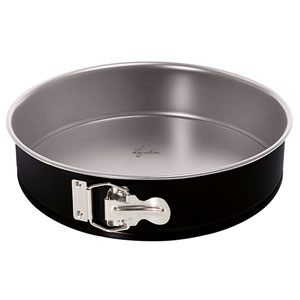
Line either a Panettone mould; a Charlotte mould or a Soufflé dish with tin foil (using several thicknesses). Grease the mould, sprinkle with flour and place the ball of dough at its centre. Using the point of a knife, trace a cross on the top of the dough (in the centre). Cover with a clean, damp cloth and leave to rest for 3 hours at room temperature in a dry location to allow the dough to continue to rise.
Preheat your oven to 180°C (Gas Mark 6). Before cooking your Panettone, coat the dough with melted butter. Leave it to cook for 45 minutes until the dough is golden brown. Remove from the mould and leave to cool before tasting.
How to make this recipe even more special? Try tasting this Panettone, emblematic of the spirit of an Italian Christmas, with a hot chocolate or sweet wine. Slice and serve on its own, coated in chocolate sauce or with flavoured cream. On removal from the oven, you can also cover it with a thin glazing aromatized with almonds or lemon. |
| |
|
|
 |
| | | | Venice : a culinary tradition shaped by water, history and travel |
| | Rome : a gastronomic culture which matches the magnificence of the city itself. |
| | Sardinia : Cuisine between sea and mountain: diversified gastronomic culture |
|
|
|